General Questions
Do I need a GP referral?
A GP referral is helpful for continuity of care and is often required by private medical insurers for authorisation of specialist oncology consultations and treatment. Self-paying patients can usually book directly without a referral.
Which private medical insurers do you work with?
Dr Hadaki is a recognised provider for all major UK private medical insurance companies, including Bupa, AXA Health, Aviva, and Vitality. He also welcomes self-paying patients and can provide clear estimates for consultation and treatment costs. His team can assist with the necessary clinical coding required for your insurance pre-authorisation.

Can consultations be virtual?
Yes, Dr Hadaki offers secure virtual consultations for both new and follow-up appointments. This provides a convenient option for patients across the UK to access expert oncological advice from the comfort of their own home. Physical examinations, if required locally, can be coordinated separately.
Consultation & Appointments
How quickly can I be seen?
Dr Hadaki prioritises urgent oncology referrals and typically aims to offer an appointment within 24 to 48 hours. Early intervention is critical in cancer care, and his administrative team works efficiently to ensure you receive a timely consultation. Please get in touch for the earliest available time.
What should I bring?
Please bring a list of your current medications and any recent scan reports or blood test results you may have. It is also helpful to note down any specific questions you wish to discuss during your time with Dr Hadaki. We recommend bringing a relative or friend for support if you wish.
Treatment FAQs
Understanding your treatment options is a vital step in your cancer journey. Below are answers to common questions regarding chemotherapy, immunotherapy and radiotherapy.
How do chemotherapy and immunotherapy differ?
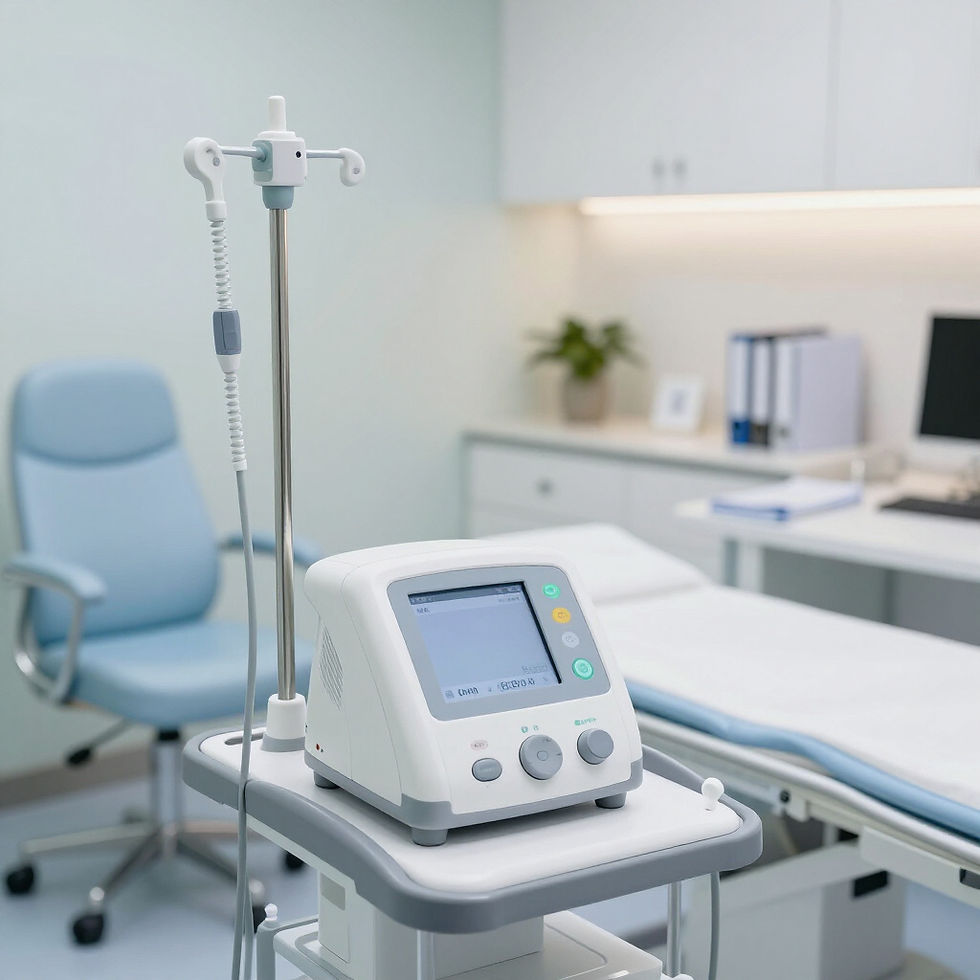
Chemotherapy uses drugs to directly kill rapidly dividing cancer cells. Immunotherapy, however, works by stimulating your own immune system to recognise and attack cancer cells more effectively. Both are evidence-based pillars of modern breast and lung cancer care.
Is it safe to combine radiotherapy with other treatments?
Yes, combining treatments (multimodal therapy) can often be more effective. Radiotherapy is frequently used alongside chemotherapy or surgery. Dr Hadaki carefully coordinates sequence and timing to maximise safety and therapeutic success.
What side effects should I expect?
Side effects vary by treatment and individual. Common ones include fatigue, skin sensitivity for radiotherapy, or nausea for chemotherapy. Dr Hadaki provides proactive symptom management plans to minimise discomfort and support your well-being.
How do we measure treatment effectiveness?
Effectiveness is monitored through regular clinical reviews, blood tests, and follow-up imaging (scans). These provide objective data on how the cancer is responding, allowing for data-driven adjustments to your personalised care plan.
Will treatment affect my daily life?
Many patients continue with their daily activities or work during treatment, though some adjustments may be needed to account for appointments and rest. Dr Hadaki works with you to integrate therapy into your life as smoothly as possible.
Expert Support
Can I request a second opinion?
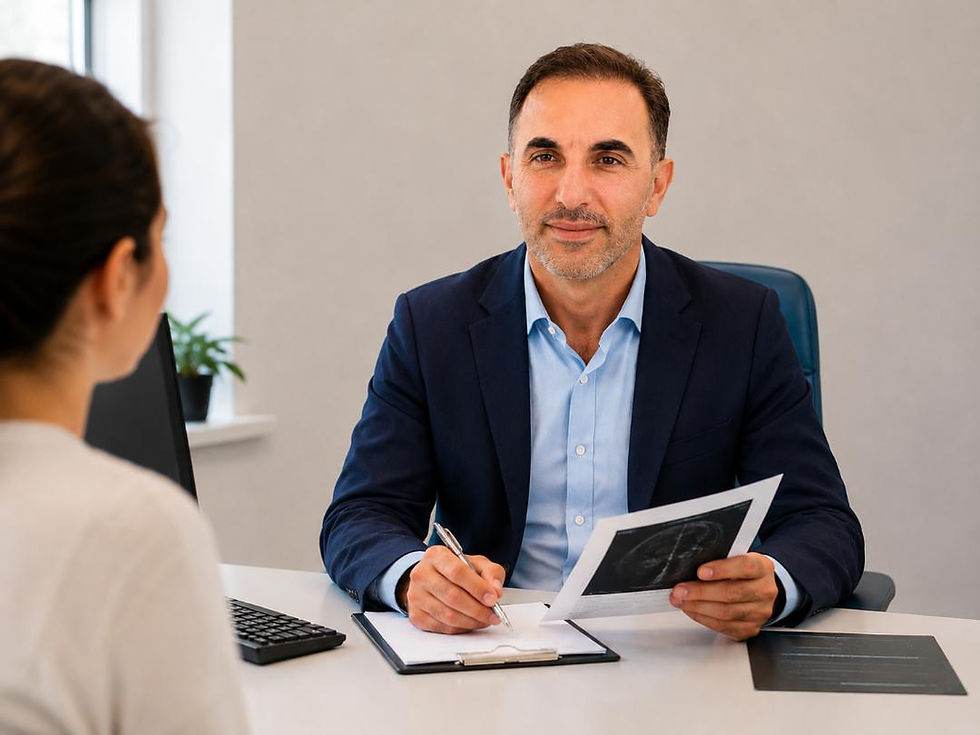
Yes, seeking a second opinion is a standard and respected part of oncology care. Dr Hadaki provides a comprehensive review of your diagnosis and current treatment plan to ensure you have full confidence in your path forward.
What ongoing support is available?
Dr Hadaki provides continuous guidance through every stage of your treatment, including symptom management and emotional support. His team is dedicated to ensuring you never feel alone during your journey.